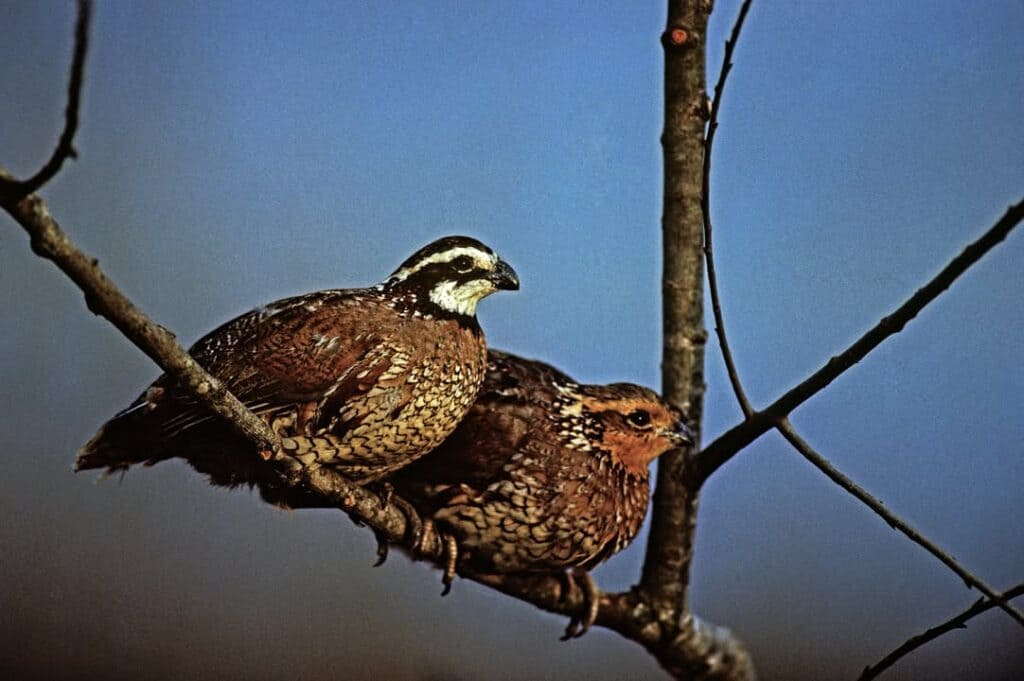
Northern Bobwhite populations decline in Mississippi due to habitat loss
The Northern Bobwhite, known for its distinctive ‘bob-white’ call, was once a common sound across Mississippi. Historically, early settlers’ land management created ideal habitat for the bird, with small farms, pastures, field edges, and fence rows providing nesting, feeding, and cover sites, according to the Mississippi Department of Wildlife, Fisheries, and Parks.
Changes in agriculture and forestry practices have led to habitat loss for the species. The decline of early-successional habitat, decreased use of prescribed fire, and the spread of non-native grasses have all contributed to the decrease in bobwhite populations across Mississippi and the Southeast, state officials said.
Conservation experts emphasize that maintaining healthy habitat requires active management. Practices such as prescribed fire and disking help create the diverse environment needed for the birds to thrive. Restoring native grasses, forbs, and scattered shrubs is essential for the species’ recovery, officials added.
Conserving the Northern Bobwhite begins with habitat preservation efforts, which are vital for reversing its decline. The Mississippi Department of Wildlife, Fisheries, and Parks encourages landowners to implement management practices that support this native species.
Source: Original Article