Mississippi black bears make a comeback thanks to conservation efforts
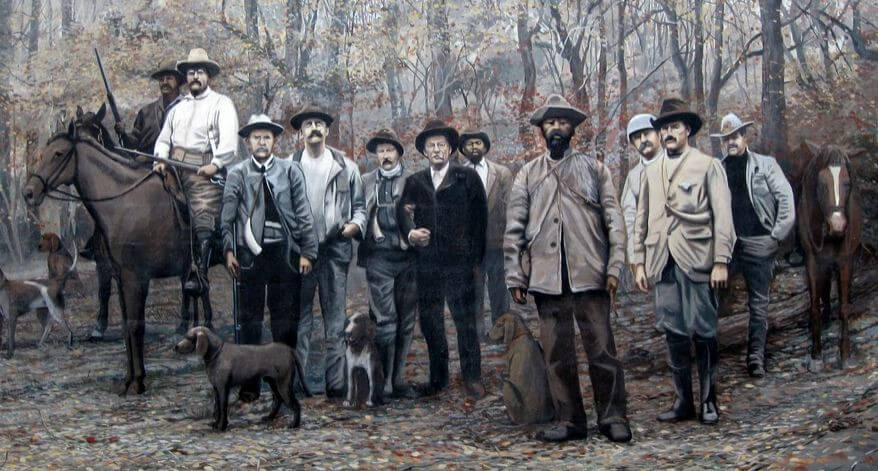
Hunters have long driven conservation efforts, dating back to the early 1900s with figures like Theodore Roosevelt and Aldo Leopold. Their work laid the foundation for the North American Model of Wildlife Conservation.
The Pittman-Robertson Act, passed decades ago, channels hunters’ dollars into state-specific conservation projects. This funding has helped recover numerous native species, including white-tailed deer, wild turkey, alligators, and black bears, according to the Mississippi Department of Wildlife, Fisheries, and Parks.
Today, black bears in Mississippi are experiencing a resurgence. While efforts in neighboring states like Louisiana and Arkansas have contributed to habitat recovery, local landowners in Mississippi have played a vital role. They manage and improve habitats to support wildlife populations.
The return of black bears exemplifies how investment from hunters and landowners benefits wildlife for future generations. Conservation success stories like this underscore the importance of continued stewardship and habitat management.
Follow along for Bear Week as we explore the history of black bears in Mississippi, highlighting ongoing efforts and achievements in wildlife recovery.
Source: Original Article