Deer Kidney Fat Levels Offer Insight Into Herd Health, Experts Say
Wildlife biologists are using kidney fat levels in deer to evaluate herd health. The fat surrounding a deer’s kidneys is a reliable indicator of overall nutritional status, according to the Mississippi Department of Wildlife, Fisheries, and Parks.
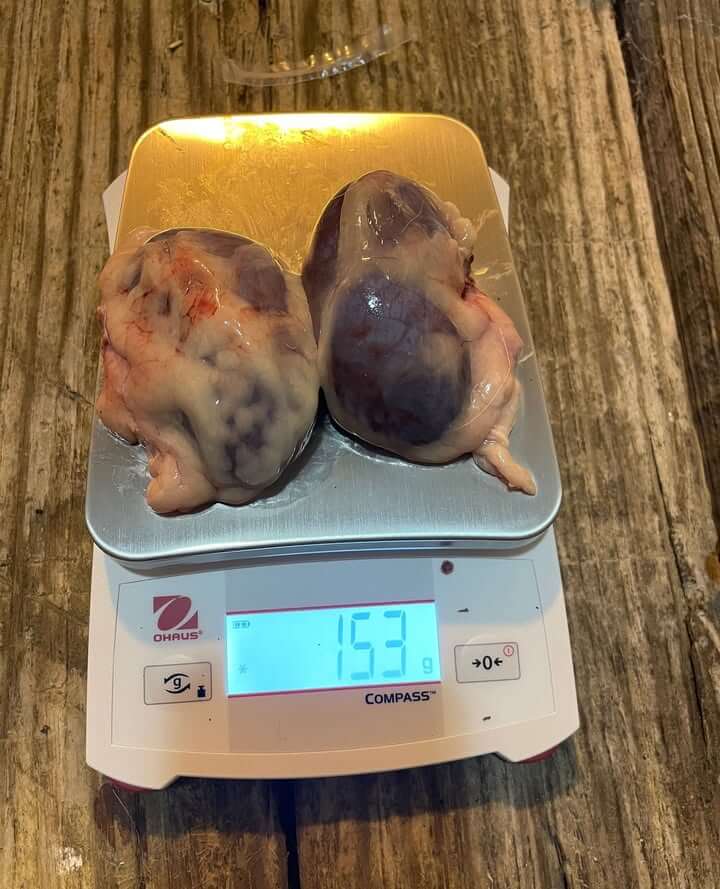
As deer build energy reserves, fat accumulates around vital organs like the kidneys. When food is scarce, these fat stores are depleted first. Biologists calculate a kidney fat index, or KFI, by weighing the fat relative to the kidneys, offering a snapshot of a deer’s condition.
Images shared by the department illustrate the process: removing and weighing the fat around the kidneys to determine the animal’s nutritional health. More kidney fat suggests good nutrition and habitat, while less fat may indicate stress from limited resources.
Biologists collect this data during routine Herd Health Evaluations to monitor herd health over time. These assessments help inform wildlife management decisions aimed at maintaining healthy deer populations.
Source: Original Article