60 Years Later, Greenville Occupation Remains a Symbol of Fight for Economic Justice
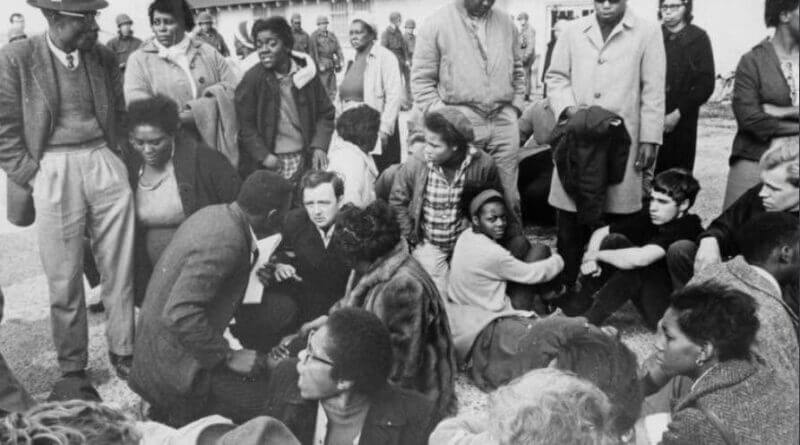
Sixty years ago today, more than 70 activists occupied Greenville Air Base to demand land, food, jobs, and shelter. The protesters, many African American, were protesting low wages and poor living conditions. Their wages averaged 25 cents an hour for 12-hour days, making survival difficult during an unusually cold winter, according to historical accounts.
When a base officer ordered them to leave, the protesters responded that they were there because they were hungry and cold, and they had no land or jobs. They emphasized they did not want charity but were willing to work if given the chance. Authorities were caught off guard by the occupation, and city and county officials refused to evict the protesters. Instead, they brought in a Justice Department official to persuade the group to leave, but the protesters refused.
During the night, federal troops under Major General R.W. Puryear mobilized to retake the base. On Feb. 1, the U.S. Air Force surrounded the facility, and Puryear ordered the protesters to leave. They told him they had nowhere to go. The incident drew attention from Washington, where Attorney General Nicholas Katzenbach warned President Lyndon B. Johnson that the situation was potentially explosive, citing the loss of jobs and homes among poor Black workers.
In response, federal funds were quickly allocated through ‘Operation Help.’ Within six months, nearly 500,000 people received food assistance. Funding for the Head Start program was also released, and for a brief period, the Child Development Group of Mississippi provided preschool education and nutrition to Black children. The occupation remains a significant moment in the ongoing fight for economic justice and civil rights, especially as Black History Month begins.
For more information, visit the SNCC Digital website.
Source: Original Article